
Re-thinking Blue
Despite the ocean’s predominant darkness, blue is increasingly universalised as a conflation of both the ocean and neo-liberal capital: blue humanities, blue economies, blue legalities.
‘Blue’ is the logic of mastery and simply inadequate for ocean justice. Blue renders the ocean fungible and ready for extraction.[1] It could be argued that the blue humanities is a new disciplinary frontier for exploitation by educational institutions. De Loughery writes, “the oceanic turn in capitalism and scholarship seems to fulfil a desire for a material and intellectual (blue) “spatial fix”.[2]
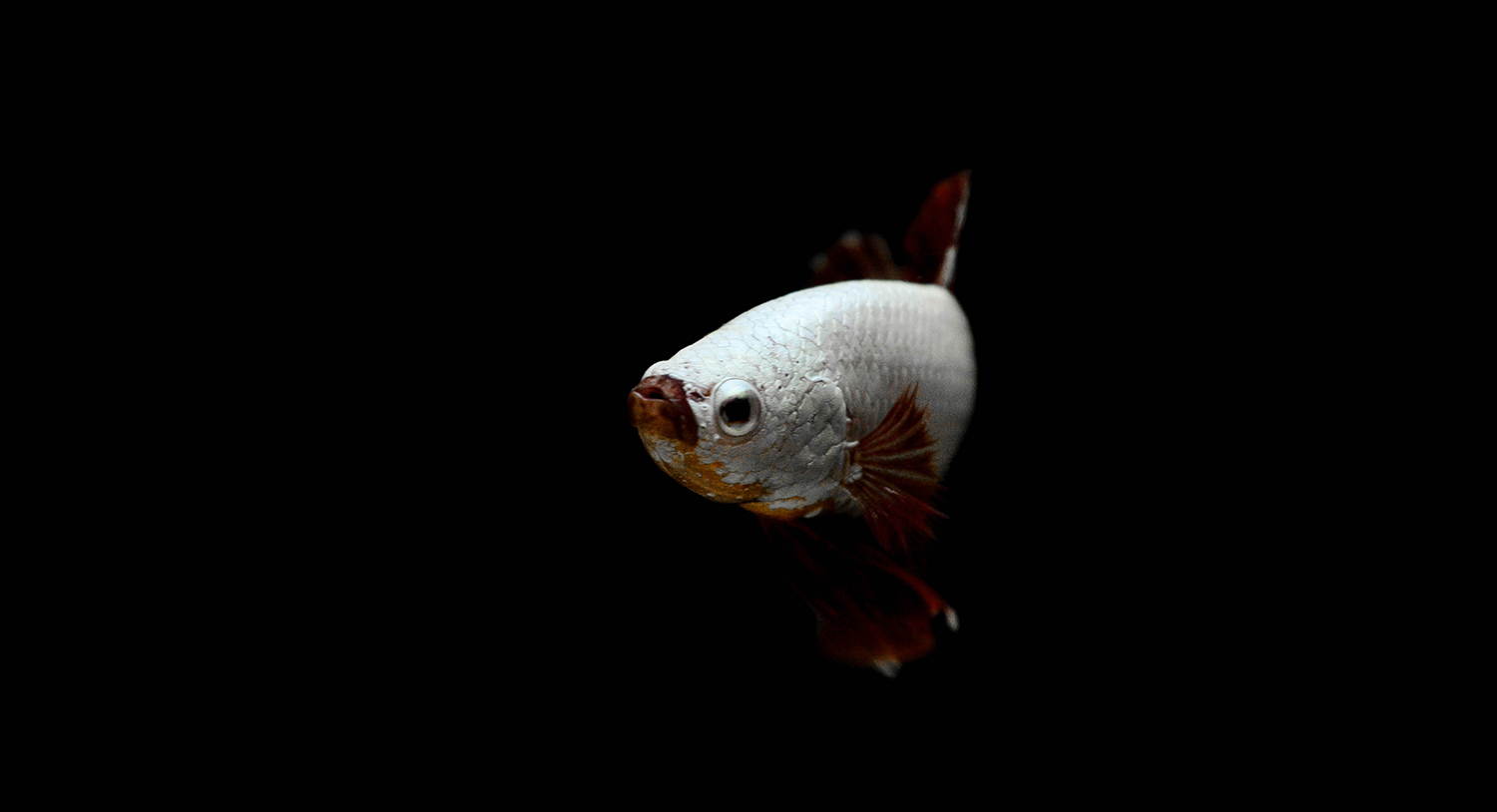
Such efforts to capture the ocean through a blue frame reveal the extent of their unknowability in those terms. The ‘blue economy’ is epistemologically and ontologically ill-equipped to recognise the unique but mostly unknowable qualities of deep and dark, and distinctly non-blue living. Stacy Alaimo reminds us that blue ends at around 200 metres.[3] Solar light completely stops after about a kilometre.
Descending into the depths of the ocean, colours change as sunlight loses its reach. To invoke poet Adrienne Rich’s Ocean diver as they descend from the ocean surface to their depths, ‘First the air is blue and then / it is bluer and then green and then / black’.[4]
Melody Jue reminds us that colour perceptions of the ocean not only differ historically and culturally but that some older languages didn’t have a word for blue as it is understood today. Quite simply, ‘the ocean has not always been blue’.[5]
[1] Reid, 2022. “Imagining Justice with the Abyssal Ocean”.
[2] DeLoughery, 2020.“Mining the Sea”.
[3] Alaimo, 2014. “Violet Black”.
[4] Rich, 1973. “Diving into the Wreck”.
[5] Jue, 2020. Wild Blue Media: Thinking Through Seawater.