
Multibeing Justice in Icy Waters *
The Antarctic Circumpolar Current’s (ACC) eastward flow pushes through a multibeing realm of conflicting human and other-than-human claims.
Taking us all the way to the icy latitudes of the Southern Ocean, the ACC’s chilly dense waters travel between research vessels, tourist boats, fishing fleets, extreme sailors and whalers, and sweep the lively ecologies of Antarctica’s broad, frozen shelf and Southern Ocean plains and ridges, gliding with communities of Weddell seals, orcas, Emperor Penguins and krill.
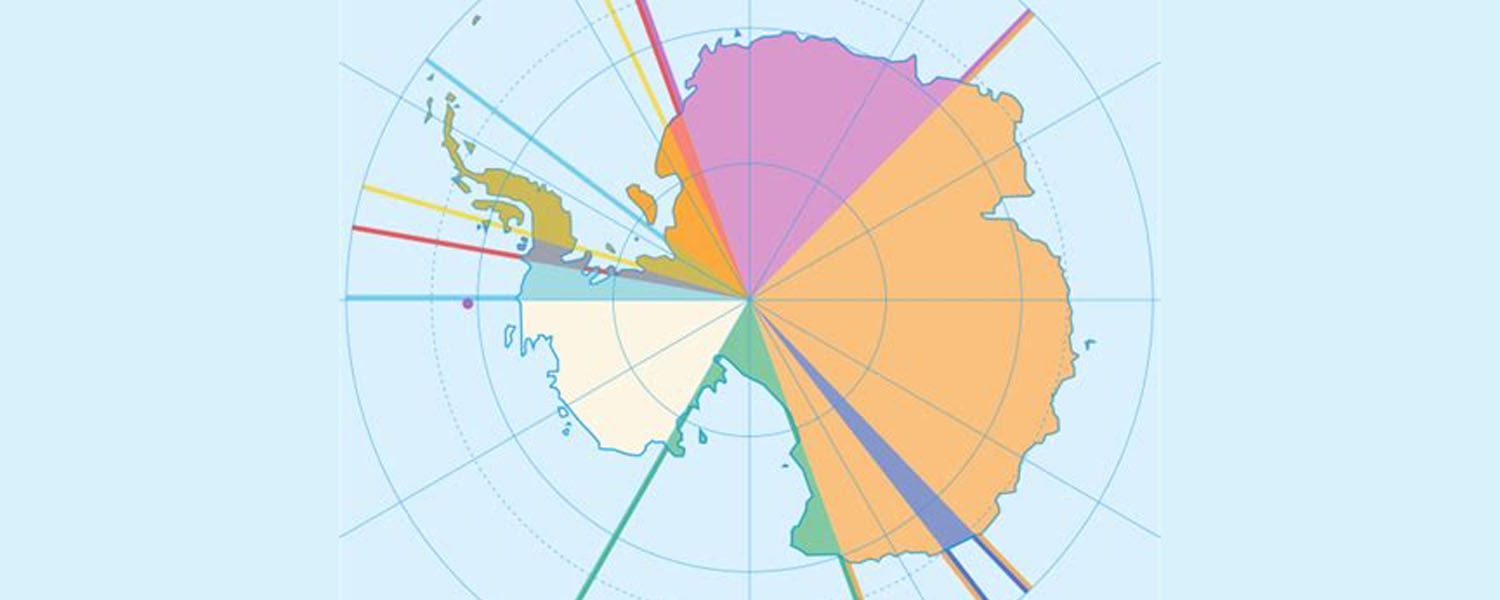
Gale forced by the Roaring Forties and Furious Fifties, the ACC circulates uninterrupted around the globe, connecting sea water from the Atlantic, Indian and Pacific Ocean basins. It is an eight year and 24,000-kilometre journey.[1] Antarctica’s extended axis marks contested and, for the most part, unrecognised territorial national claims[i]: first Australia, then France, Australia again, New Zealand, then eastward through a large unclaimed area before reaching the territories claimed by Chile, the United Kingdom, Argentina and Norway.
Surface and deep waters flow with a certainty not matched by the international conservation commitments of nations claiming territorial footings on the continent and surrounding waters. Marine environmental protection obligations set out in the new BBNJ (High Seas) Treaty, UNCLOS, the ISA’s developing Mining Code, and CCAMLR lack conviction and clarity.[2] As well, the region’s remoteness and challenging physical conditions make enforcement of conservation regulations difficult. Ambiguous and weak international legal agreements expose the marine living organisms of the Antarctic and Southern Ocean water column, seabed and ice face to precarious futures.
Vague conservation laws and regulations are the alibi of extractive capital.
History shows us how they favour industrial fishers and mineral resource corporations. Perilous westerlies and the steady force of the ACC have not been enough to deter the industrial fishers from taking 620000 tonnes of krill from Antarctic and Southern Ocean waters in 2025 – all legal under the governance of CCAMLR.[3] Once robust extraction technologies become available, will mining platforms and deep seabed machinery also set up shop in Antarctica’s freezing waters?
Image source: commons.wikimedia.org
*Adapted from: Reid, S. (2018). “Transitioning Currents in Times of Climate Change.” In Living with the Sea, 114–28. London: Routledge.
[1] Parks and Wildlife Services Tasmania. (2000). Antarctic Circumpolar Current. Hobart, Tasmania: Parks and Wildlife Services.
[2] BBNJ: Agreement on Marine Biological Diversity of Areas beyond National Jurisdiction; UNCLOS: United Nations Convention on the Law of the Sea; ISA: International Seabed Authority; CCAMLR: Convention on the Conservation of Antarctic Marine Living Resources
[3] Peake, G. (2026, March 24). ‘It smells like a rancid fish and chip shop’: At sea with the Antarctic’s krill supertrawlers. Seascape: The State of Our Oceans.